






 HEXA

 STEK



The first seven days after paint protection film
The first week is the most important in the life of the film. The adhesive settles and the last moisture works its way out from under the layer. Let the car rest and don't rush it.
No pressure washing and no brush washing during this time. Do not apply wax or sealant to the edges: they are the most sensitive areas and must stay clear of any product until the adhesive has set.
You may notice small bubbles or a light haze in places. That is normal: it is moisture evaporating through the film, and it clears by itself in days to a few weeks depending on the heat. Do not press or pop them.
Washing it right
A good wash takes order, not effort. Hand wash, and avoid automatic washes with brushes: they scratch both film and paint and leave fine swirls.
Use a pH-neutral shampoo and clean microfibre towels. Household soap and strong degreasers stress the film and weaken its top layer.
With a pressure washer, keep the nozzle at least 30 cm from the surface, never aim it straight at the edges, and never at an angle that drives water under the film's edge.
Qatar's dust and heat
Dust is fine, hard grit. Wiping it dry is like drawing sandpaper over the paint. Rinse the dust off with water first, then wash once it is gone.
Bird droppings and insects are acidic, and worse in the heat. Remove them at once with water and a wet microfibre cloth; never let them dry and bond.
Park in shade when you can. Sun does not harm the film itself, but it heats the surface, dries dirt and dissolved minerals faster, and leaves marks that are harder to remove.
Self-healing of light marks
Some protection films carry a top layer that can hide very fine surface marks. When the car warms in the sun, the layer relaxes and returns to a smooth surface.
This works on light marks only, not on cuts or deep damage. Do not speed it up with a hair dryer or heat gun: too much direct heat harms the film.
Caring for ceramic coating over the film
A ceramic coating applied over the film makes it easier to clean and helps repel water and dirt. To keep it that way, wash regularly with pH-neutral shampoo and don't let dirt build up.
Wait for the period we give you at handover before the first wash, as the coating needs time to cure. Avoid strong cleaners, abrasive products and anything that claims to strip coatings.
A regular wash and periodic inspection are enough. No wax or sealant is needed on top, and it can mask the coating's properties.
Window tint «Dhil»: the first days
Tint film needs three to five days to dry and bond fully to the glass. During this time, do not lower the windows at all, or the film may slip or wrinkle.
Some moisture or a light haze can show in the early days; it is part of drying. Do not touch the inside surface or try to remove spots by hand.
Clean the glass inside with an ammonia-free cleaner and a soft towel. Ammonia degrades the film's adhesive over time and can change its colour, so read the label of your glass cleaner.
Daily habits that extend protection
Wash every one to two weeks depending on the dust: built-up dirt is harder to remove than light dirt. Dry the car after each wash so water does not leave mineral spots on the surface.
Avoid putting stickers on the film or hanging anything that rubs against it. When using a roof rack, ladder or accessory, add a soft barrier that stops it chafing at the edges.
Do not use tar removers or solvents on the film without asking us. If a mark won't wash off normally, photograph it and send it to us before you try any product.
Take care around door edges, handles and bumpers: they get touched and rubbed most, so glance at the film's edges there from time to time.
Matte and coloured finishes
A matte or coloured film should never be polished or waxed: any polish fills its surface texture and leaves shiny patches that don't come out. Use products made for matte surfaces, and wash gently without scrubbing.
Fingerprints and oils show up more on these finishes, so wash regularly and dry with a clean towel, and ask us to recommend the right product for your surface.
If a spot turns glossy from rubbing, don't try to fix it yourself: send us a photo and we'll guide you.
When to come back to us
We offer a free inspection six months after delivery. We review edges, borders and the surface and give you a clear recommendation. Book through WhatsApp.
Contact us sooner if you see lifting at the edges, a colour change in the film, stains that won't wash off, or anything that worries you. Send a clear photo on WhatsApp and we'll guide you before you try any treatment.
Warranty and what can void it
The film warranty is registered online in your name and your car's details, and you can verify it at any time. Keep your invoice and registration details.
The warranty has conditions and follows the film fitted and its agent's terms. Common things that can void it include strong chemicals on the film, peeling or lifting it by hand, installation, removal or modification by another workshop, and neglect or accident damage. We go through these terms with you at handover.
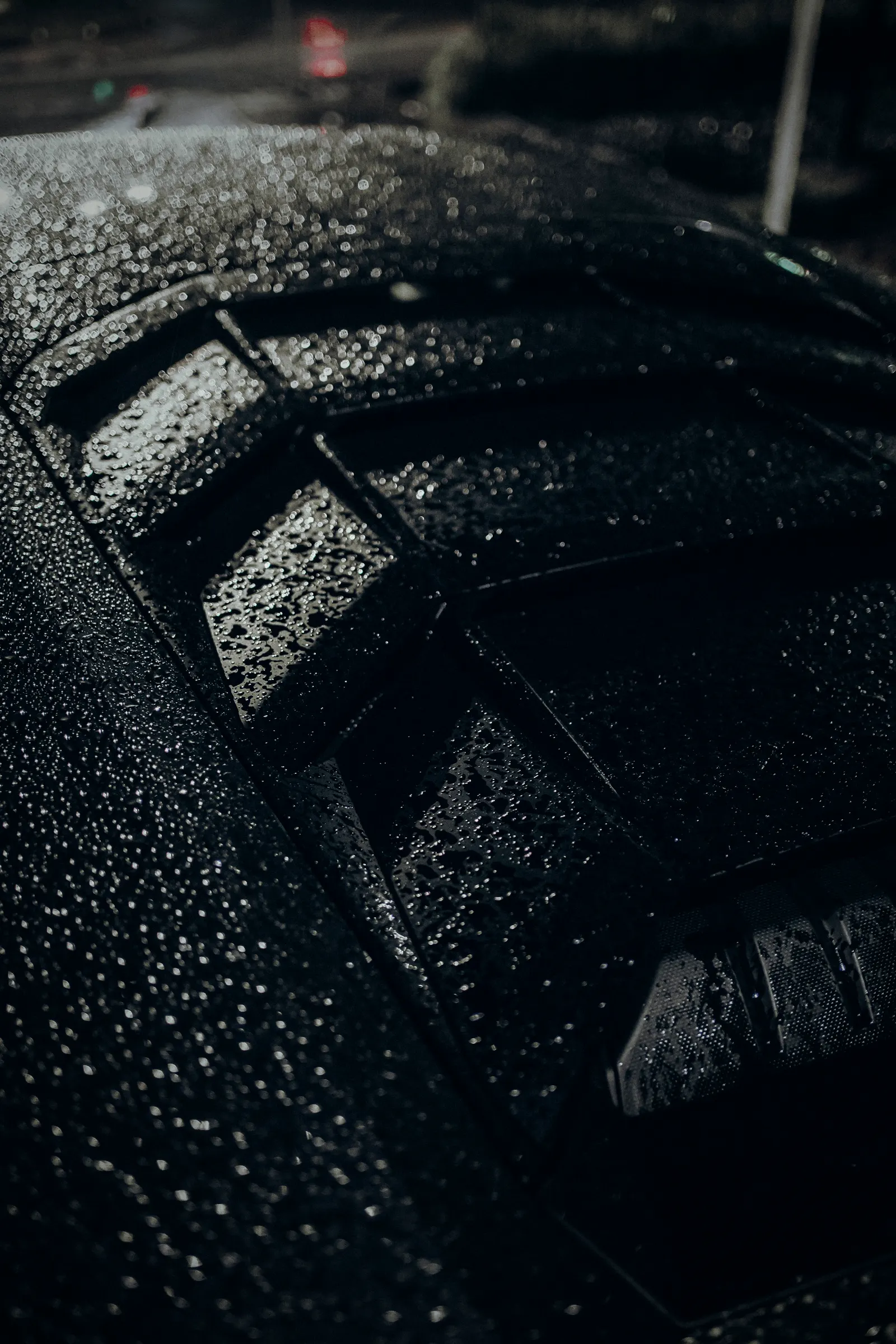
Washing step by step (two-bucket method)
- Prepare two buckets Fill one with water and pH-neutral shampoo and one with clean rinse water. If you have grit guards, put one in each.
- Rinse off the dust first Spray the car with flowing water from top to bottom to lift the dust. Keep the nozzle at least 30 cm away and clear of the edges.
- Wash with microfibre Wash one panel at a time in straight lines, not circles. Start at the roof and work down, leaving the dirtiest areas such as bumpers for last.
- Rinse the mitt in the clean bucket After each panel, rinse the mitt in the clean bucket before returning to the shampoo bucket, so you never carry grit back to the paint.
- Rinse and dry Rinse off all the shampoo, then dry with a clean microfibre towel by patting or light dragging. Don't let it dry in the sun, to avoid water spots.
Frequently asked questions about aftercare
When can I first wash my car after PPF?
We recommend waiting at least seven days, then a gentle hand wash with no pressure and no brush. We confirm the right time for your car at handover.
Are small bubbles after installation a defect?
Usually not. They are leftover moisture evaporating through the film and clear by themselves in days to weeks depending on the heat. If they stay or grow, send us a photo.
Can I use an automatic brush wash?
We don't recommend it. Brushes scratch the film and paint and drag grit across the surface. Hand washing or a touchless wash is better.
How close can a pressure washer be?
At least 30 cm from the surface, and never aimed directly at the edges.
Do light scratches disappear on their own?
On films with a self-healing top layer, very fine surface marks fade with the sun's warmth. Deep cuts are not repaired, and we can inspect them for you.
How do I remove bird droppings and insects?
Quickly, with water and a wet microfibre cloth, using light pressure and no scrubbing. Never scrape them off dry.
Should I wax the film or the ceramic coating?
There is no need, and it can mask the surface properties. In the first week it is not allowed at all on the edges.
When can I lower the windows after window tint?
After three to five days. Before that the film may slip or wrinkle.
What should I use to clean tinted glass inside?
An ammonia-free cleaner and a soft towel. Avoid ammonia and abrasive products.
How do I book the free six-month inspection?
Send your plate number or invoice on WhatsApp and choose your branch and a convenient time.
Will washing it myself void the warranty?
No. Correct washing is part of the care required. What can void it is strong chemicals, peeling the film by hand, or another workshop working on the film.
Related services
Clear PPF · Ceramic coating · Window tint · Packages · Aftercare